Why Systemized Marketing Is the Key to Restaurant Longevity
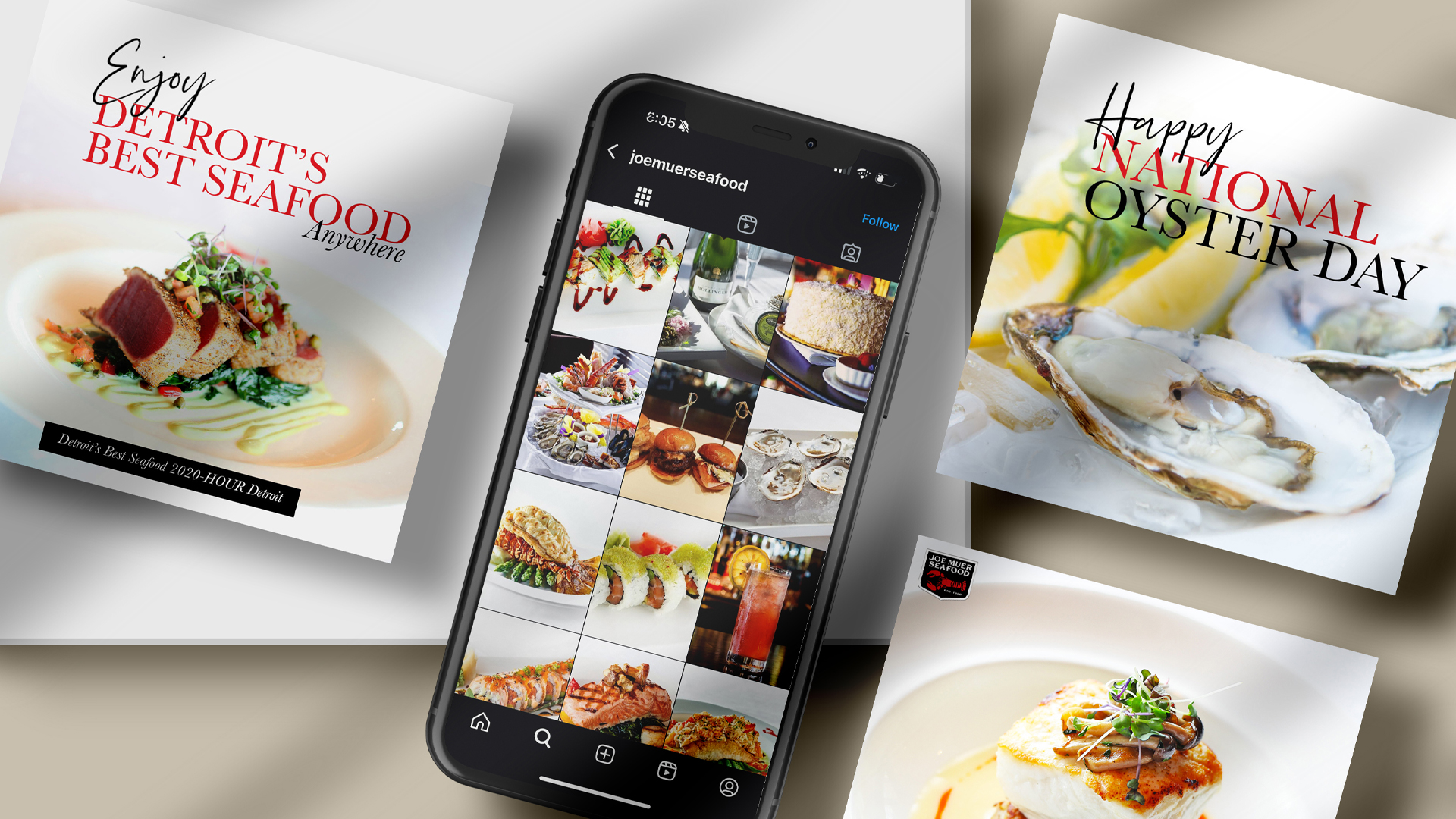
In today’s restaurant landscape, thriving requires more than great food or a bustling location. Consumer behavior has changed. Diners now rely heavily on search engines, third-party review platforms, and social media to guide their decisions. If your digital presence does not match the quality of your in-person experience, you risk being overlooked.
Online reviews can make or break first impressions. Your Google Business listing, Instagram feed, and website are often the first touchpoints for new customers. To remain competitive, restaurants must evolve from relying on word-of-mouth to building a repeatable marketing system that provides visibility, consistency, and real results.
The Problem: Reactive, One-Off Campaigns
Many restaurants operate with a reactive marketing mindset. That means making rushed decisions and last-minute promotions when business slows down. While these efforts might generate short-term attention, they rarely create sustainable growth.
Without a long-term strategy, marketing lacks focus and measurable goals. Below are some common challenges restaurants face when marketing is done without a system:
– Promotions are inconsistent and create brand confusion
– Teams lack clarity on what success looks like
– Resources are spent without measurable return
– Marketing becomes exhausting instead of empowering

What a Restaurant Marketing System Really Is
A marketing system is a proactive, repeatable approach to building your brand, attracting guests, and converting interest into bookings or orders. Rather than relying on ad-hoc campaigns, a system creates consistency and efficiency.
This system combines strategy, digital tools, and content to ensure every part of your guest journey is supported. Here’s what a full restaurant marketing system often includes:
– A strong brand foundation with consistent storytelling
– A high-performance, user-friendly website
– Automated email flows tailored to guest behaviors
– A content calendar that aligns with your business goals
– Strategic performance tracking and campaign optimization
The Core Elements: What Should Be in Your Marketing System
Building a restaurant marketing system starts with its core elements. These are the pillars that provide stability, scalability, and structure for all your marketing activities. Each one should support a key part of your customer’s journey—from awareness to conversion to loyalty.
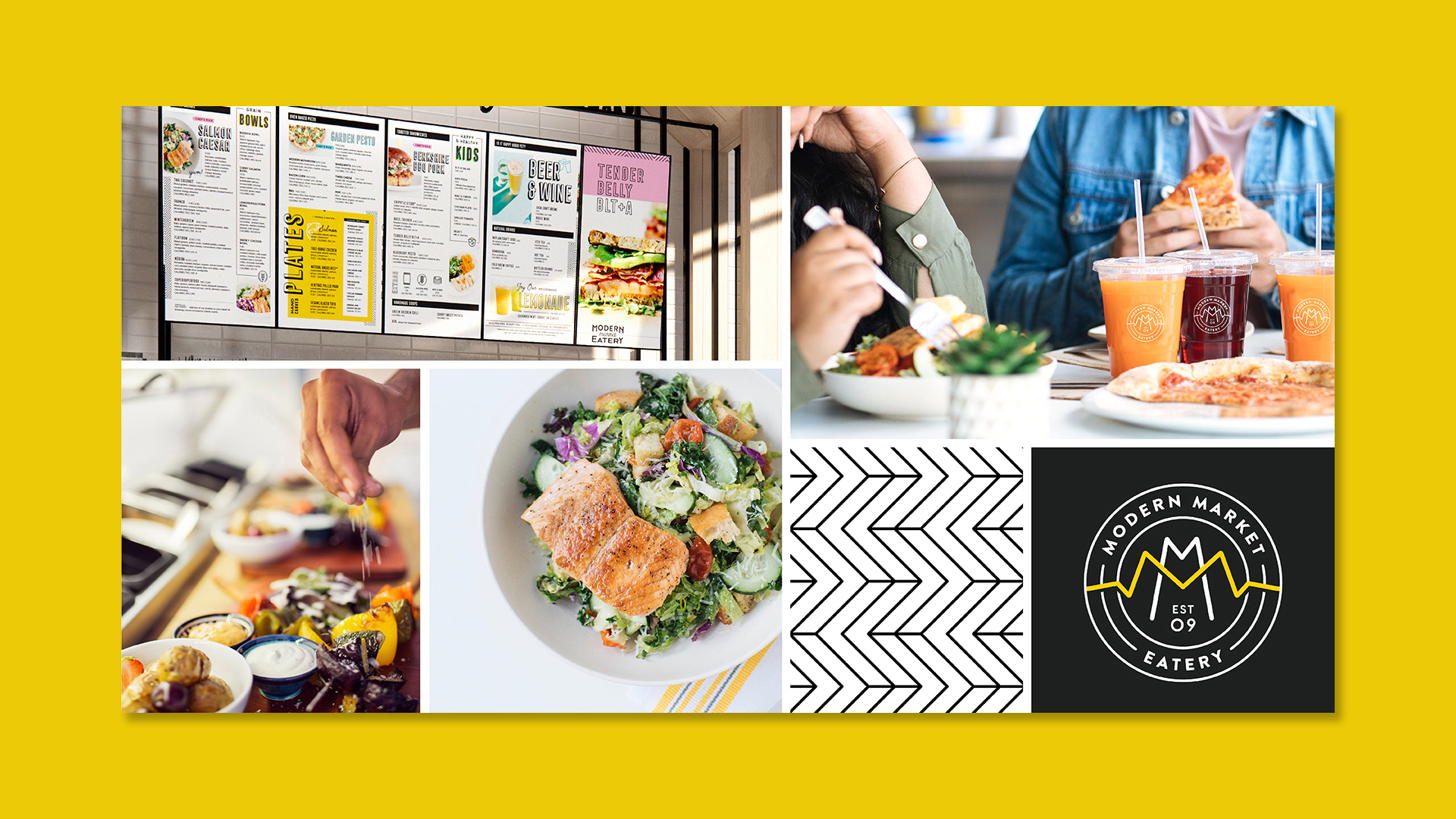
Studies from Cornell and Oxford show that plating impacts perceived value. Four-color dishes are rated more delicious than monotone ones, and symmetrical layouts signal care. This means visual appeal isn’t fluff—it’s psychology and consumer science in action.
Computer vision algorithms also predict popularity based on photo features. Restaurants that master this balance earn greater engagement and virality, especially when paired with clear branding.
1. Strategic Branding
Strategic branding ensures that your restaurant communicates its personality and values clearly. When guests understand what your brand stands for, they are more likely to feel emotionally connected and return.
– Define your values and customer personas so your messaging resonates
– Create visual identity guidelines for colors, logos, and fonts
– Develop your tone of voice and story—what makes you different
– Train your staff to align with your brand identity across every guest interaction
2. Website Optimization
Your website is your most important digital asset. It needs to reflect your brand, answer guest questions, and drive key actions like reservations or takeout.
– Ensure your website is responsive and fast-loading on all devices
– Include essential functionality like online ordering and reservations
– Add clear calls to action that drive user behavior
– Keep content fresh by updating menus, events, and promotions regularly
3. Email Marketing
Email is still one of the most effective channels for nurturing guest relationships. When done right, it delivers high ROI by keeping your restaurant top-of-mind.
– Use booking or ordering platforms to collect guest data
– Segment your list by visit frequency, order behavior, or loyalty status
– Set up automated campaigns for birthdays, events, and first-time diners
– Analyze open and click rates to refine your messaging
4. Content Strategy
Content is the voice of your brand. A strategic content plan creates ongoing engagement and encourages guests to share your story with others.
– Establish a monthly or quarterly content calendar that includes social posts, blog topics, and promotional themes
– Showcase your team, kitchen process, dishes, and customer stories
– Encourage and share user-generated content
– Align content with your seasonal marketing goals and community events
Case Study: What Happens When You Implement the Right System
Real-world results show the power of systemized marketing. Consider a Houston-based bistro that had strong word-of-mouth but lacked digital structure. Their bookings fluctuated, and their online presence lacked consistency.
Here’s what happened after implementing a complete marketing system with Restaurant Brand Builders:
– Their mobile-optimized website with updated content led to better user experience and improved SEO rankings
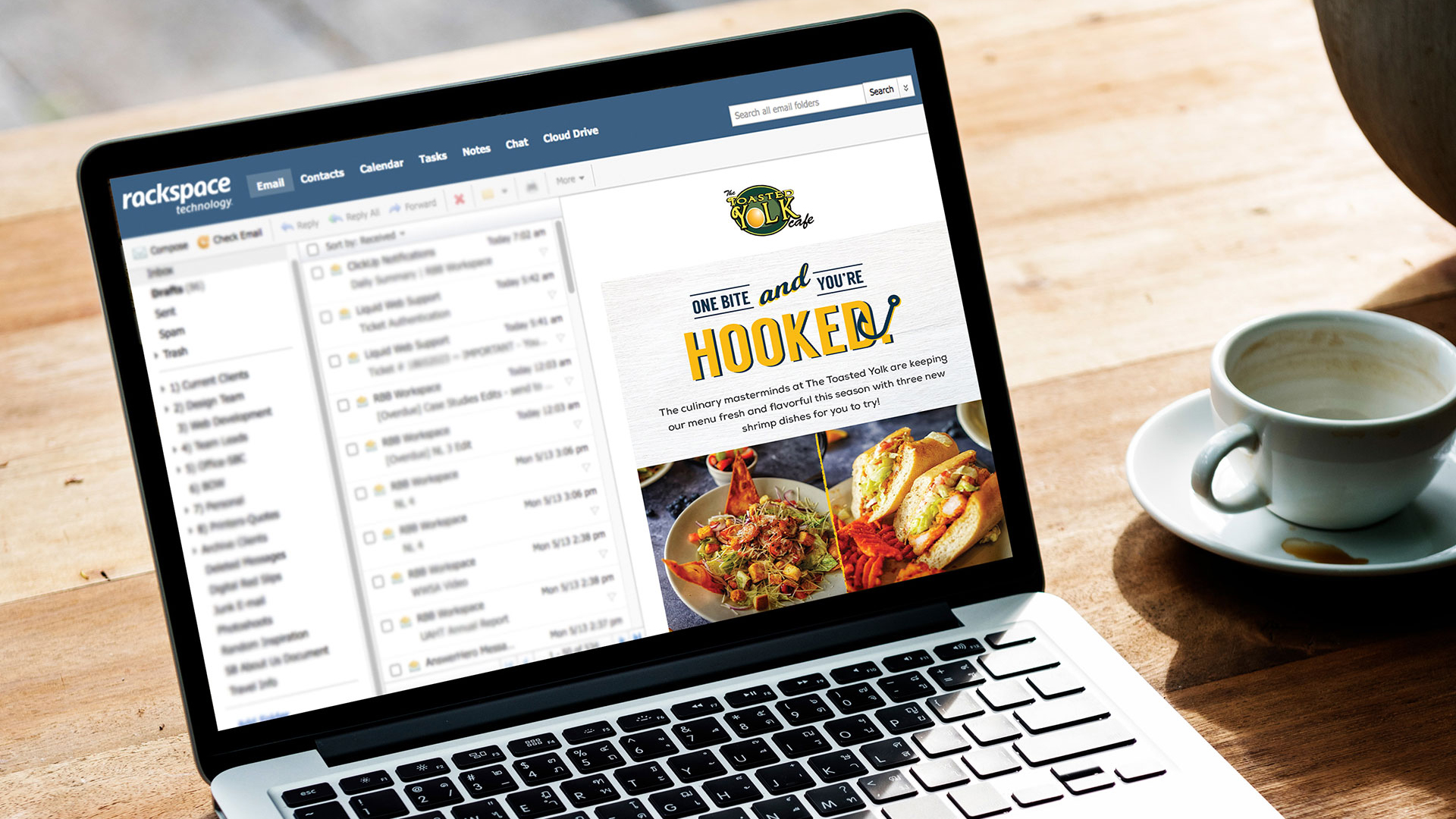
– Automated welcome emails increased retention among first-time visitors
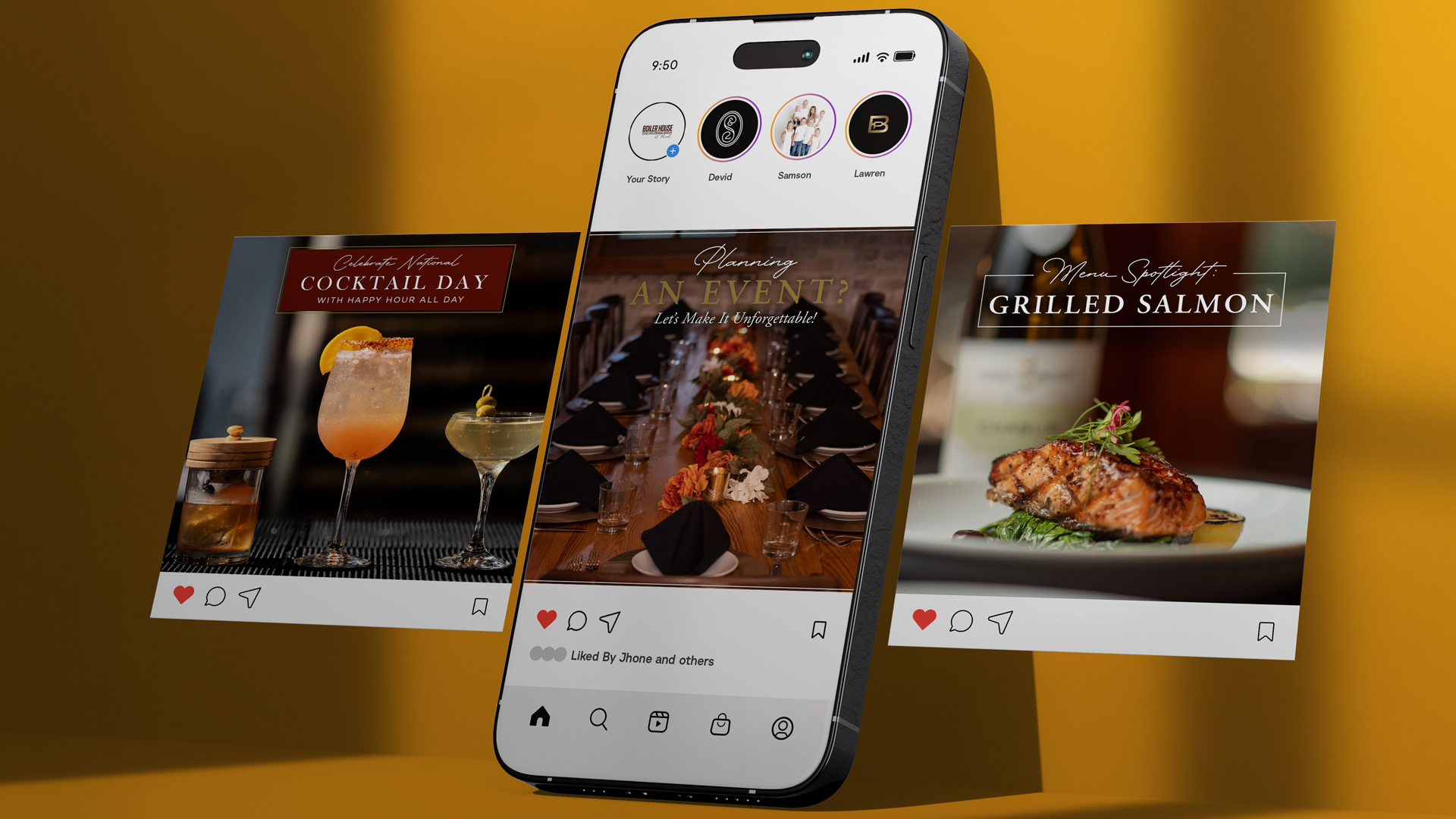
– Weekly social content established brand consistency and boosted follower engagement
– Within three months, reservations rose by 26 percent and customer reviews more than doubled

The RBB Difference: Strategy Plus Execution
Many restaurants struggle to find the time or expertise to execute a comprehensive marketing system. That’s where Restaurant Brand Builders steps in. We not only develop your strategy—we handle the full implementation.
– Every marketing system is personalized to your business model and revenue goals
– We handle execution across design, content, and automation
– We continuously monitor analytics and adjust to improve performance
How to Start Building Your System Today
You can begin building your restaurant marketing system without overwhelming your team. The key is to start with a strong foundation and work step-by-step. Begin by auditing your digital presence, then clarify your goals and brand messaging.
From there, these practical steps will help you begin creating a system that grows with your business:
– Conduct a digital audit of your current channels
– Define clear goals and build messaging around them
– Identify where guests drop off in your customer journey
– Plan a 90-day content and campaign calendar
– Work with a partner who knows hospitality
Conclusion: It’s Time to Market Smarter
Your food may get guests in the door, but your marketing system keeps them coming back. Restaurants that systemize their marketing build better brand visibility, more guest loyalty, and more stable revenue.
If your current approach is fragmented or reactive, now is the time to shift. Let us help you build a marketing system that brings structure, scale, and long-term success.