The Illusion vs. Reality of the Digital Plate
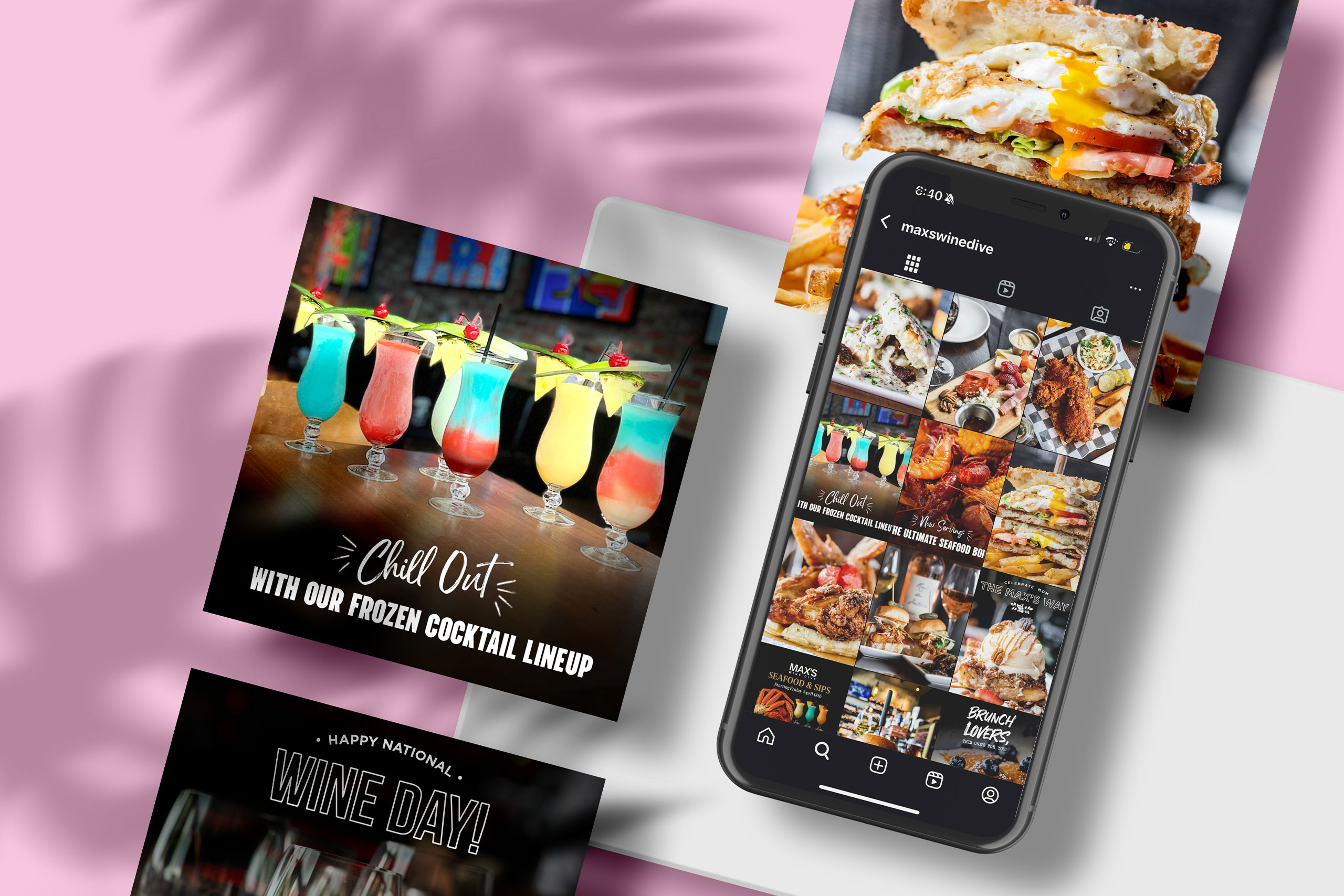
In the age of social, no restaurant can ignore the allure of visually stunning food photography. One scroll through Instagram and you’re hit with perfectly plated dishes, artful colors, glossy finishes, and influencers with glowing feeds—tempting potential diners one swipe at a time.
But here’s the truth: scrollbait food may momentarily spark cravings, but it’s quality—flavor, consistency, aroma—that keeps customers returning and spending. Research shows that while high aesthetic appeal can trigger impulse and engagement, it doesn’t always match genuine taste or loyalty.
For restaurants, the challenge isn’t capturing that perfect shot. It’s ensuring the second bite lives up to the first impression.

Why Instagram Aesthetics Matter
1. Visual Temptation Drives Traffic
A 2024 study confirms: appetizing food images activate the brain’s reward centers and even increase hunger. This strategic appeal is why chain restaurants invest in professional photography—restaurant‑uploaded images score 6.20 vs. 1.21 by customers.
2. Virality Creates Lines
Take Rachel Brotman, aka “The Carboholic.” Her Instagram features aesthetically captivating, high-quality dishes—driving massive foot traffic for NYC spots like Caviar Kaspia. Her secret? It’s not just what’s on the plate; it’s how it’s presented to capture collective imagination.
3. Aesthetic Consistency Builds Brand
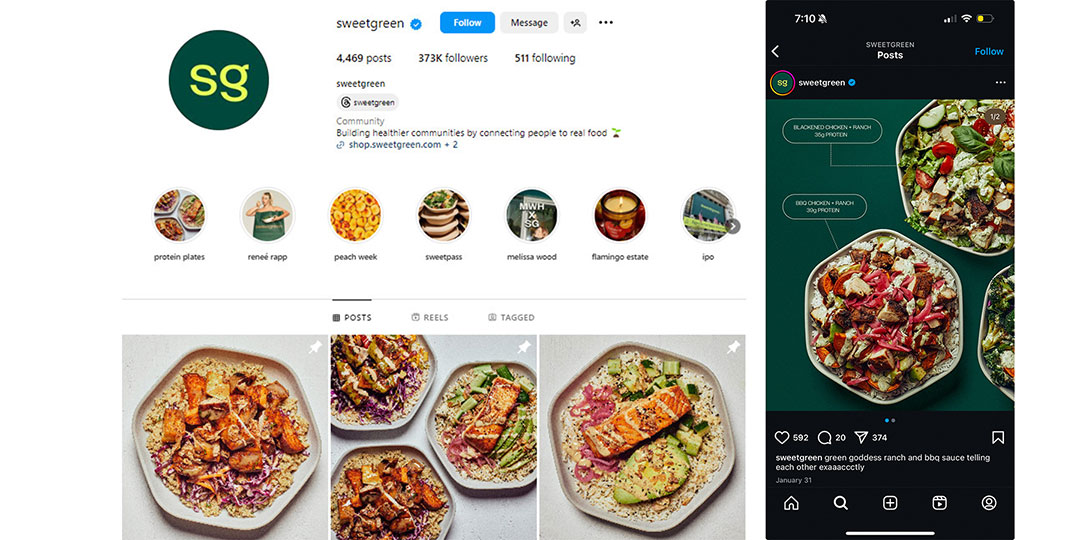
Brands like Sweetgreen use minimalist, coherent visuals (think white subway tiles and vibrant salads) to elevate themselves from fast casual to lifestyle icons. They made healthy eating stylish—and shareable.
Where Aesthetic-Heavy Strategies Can Backfire
1. The "Instagrammable Impostor"
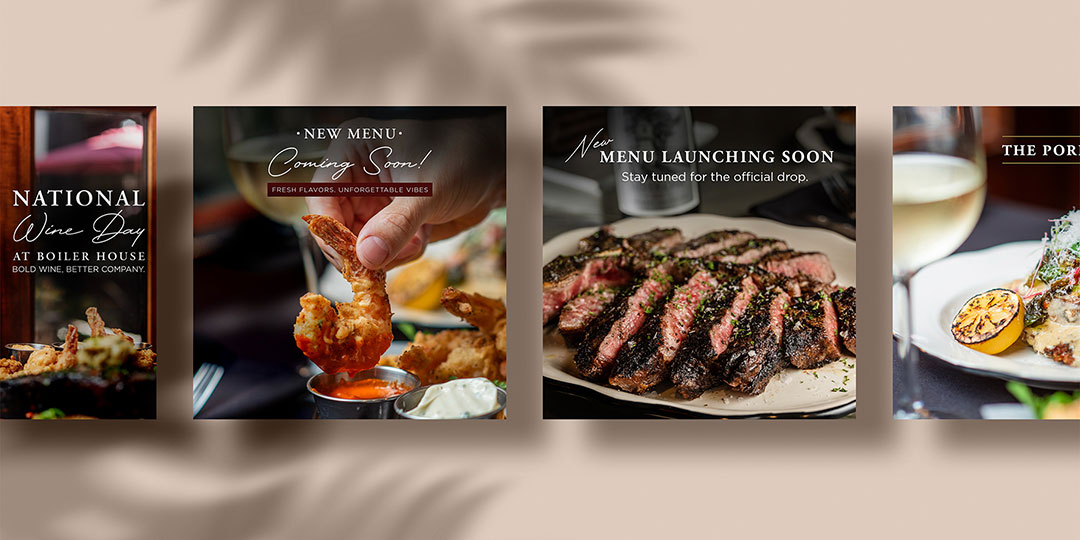
Restaurants that prioritize design and image at the expense of flavor and hospitality may generate buzz—but lack staying power. These concepts often fizzle quickly, garnering negative reviews from diners expecting more than a camera-ready moment. Social hype is no substitute for substance.
2. The “Perception Gap”
This gap emerges when online visuals overpromise and the dining experience underdelivers. Customers walk in expecting a heightened culinary journey and are met with bland flavors or underwhelming service. This leads to poor reviews, low retention, and stalled word-of-mouth.
3. Cold Plates, Cool Photos
Too much focus on photo ops can compromise the meal. Food meant to be enjoyed hot loses its appeal as diners angle for the perfect snap. Staff and chefs often feel the pressure to serve “content” rather than cuisine, disrupting operational flow and food integrity.
The Science of Visual Appeal
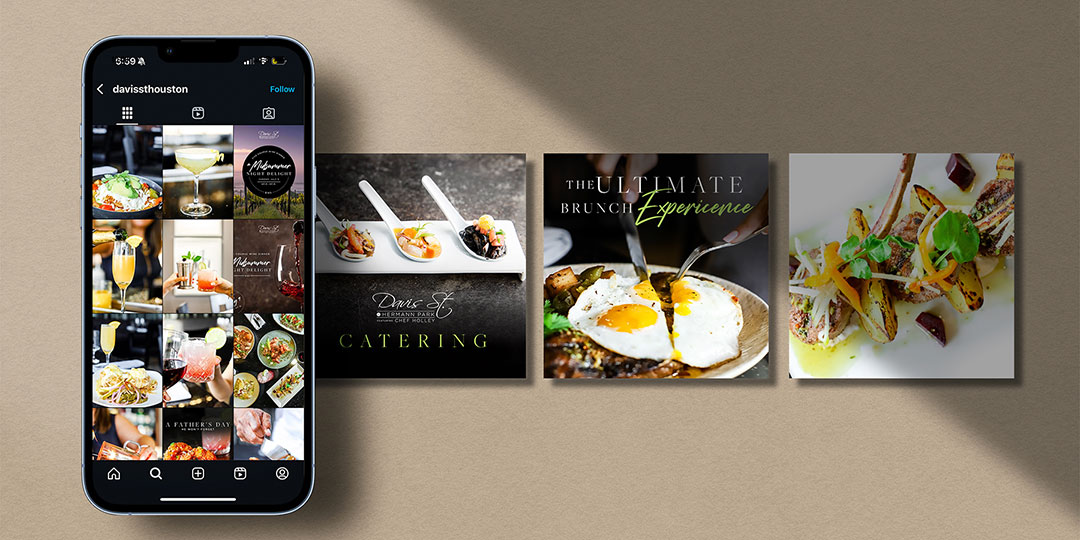
Our brains process visuals 60,000 times faster than text. Key visual cues—color contrast, gloss, geometric arrangement—signal freshness and quality. When used correctly, these cues heighten appetite and influence perceived taste. Dishes that follow these principles not only photograph well but feel premium.
Studies from Cornell and Oxford show that plating impacts perceived value. Four-color dishes are rated more delicious than monotone ones, and symmetrical layouts signal care. This means visual appeal isn’t fluff—it’s psychology and consumer science in action.
Computer vision algorithms also predict popularity based on photo features. Restaurants that master this balance earn greater engagement and virality, especially when paired with clear branding.
The Brand-Building Equation
Visual Allure + Real Food Quality = Sustained Growth
Let’s break this down:
- Visual Allure draws you in: A scroll-stopping post can drive foot traffic and online reservations instantly.
- Food Quality keeps you coming back: Texture, consistency, and taste drive loyalty and lifetime value.
- Combined: When a guest’s real-life experience matches what they saw online, trust is built—and trust fuels repeat business.
It’s not about choosing between Instagram and integrity. It’s about aligning the two for maximum impact.
The 5-Element Framework to Balance Aesthetic and Quality
1. Plating That Pops, but Eats Well
- Avoid artificial garnishes just for looks. Use edible, flavorful elements.
- Consider how sauces, glazes, or fresh herbs can elevate both taste and photo appeal.
2. Consistent Execution, Every Time
- Create plating templates and visual SOPs for staff.
- Integrate these steps into training so execution isn’t dependent on a single chef’s skill.
3. Photo-Friendly, Not Photo-Focused
- Design natural light zones near windows or outdoor seating areas.
- Avoid over-scripting the experience; authenticity beats over-curation.
4. Under-Promise, Over-Deliver
- Ensure your online photos reflect real portion sizes and lighting.
- Capture your food how it appears in regular service to set the right expectations.
5. Harness the Community
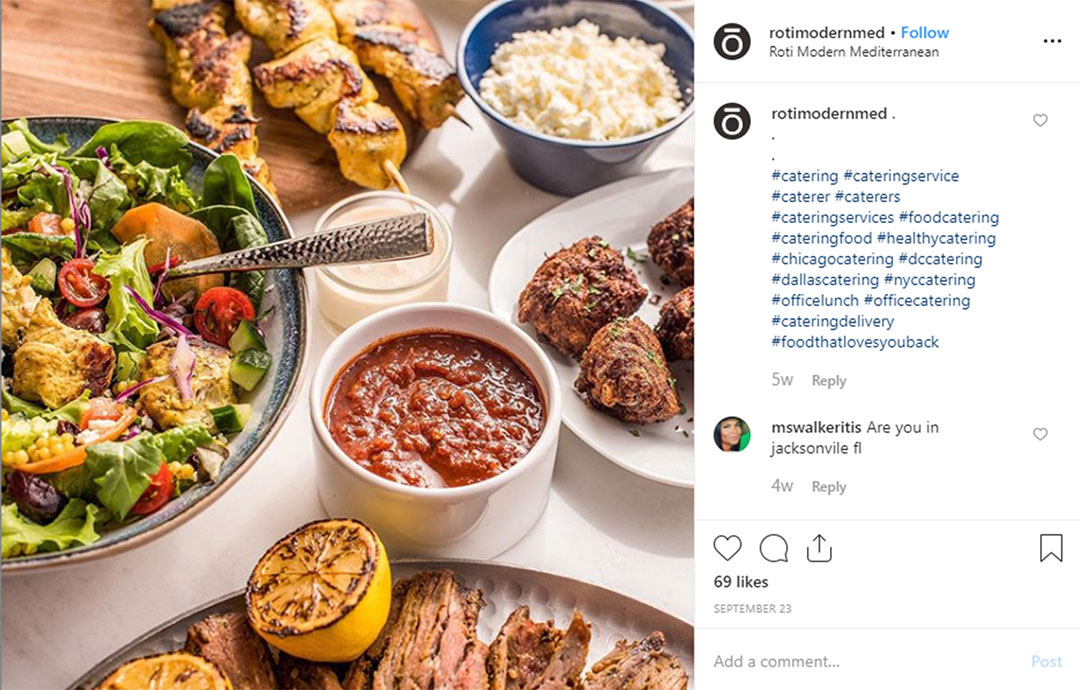
- Encourage user-generated content (UGC) by featuring guest photos.
- Create moments worth sharing: signature dishes, surprise bites, or interactive plating.
Deep-Dive: Implementation & Tactics
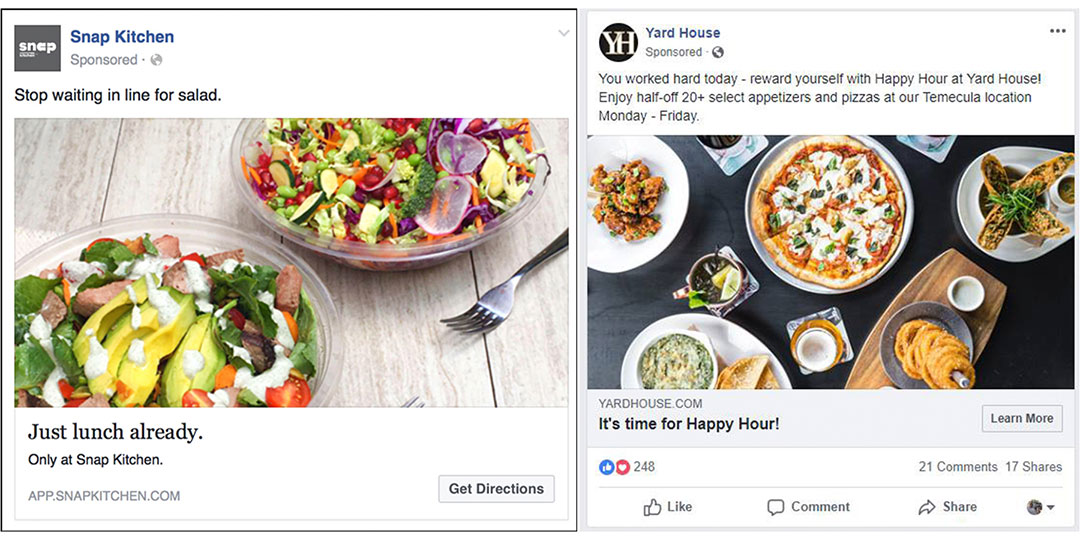
Now that we’ve covered the why and what, it’s time to focus on the how. This section explores practical steps restaurants can take to bring the balance of aesthetics and real food quality to life. These tactics are grounded in field-tested approaches that work across service styles—from casual counter spots to upscale dining rooms. Execution is everything, and the goal here is simple: help you serve food that looks great, tastes better, and performs even better from a marketing perspective.
Tactic 1: Create a Versatile “Hero Dish”
Choose one menu item that’s visually striking and flavor-packed. Use it in paid ads, social posts, and media kits. Track its performance and refresh garnish or plating quarterly.
Tactic 2: Staff as Brand Advocates
Empower team members to share kitchen moments or plating highlights. Run internal contests for best content. Equip them with smartphones or ring lights where needed.
Tactic 3: Offer “Instagram-Aware” Services
Have subtle signage encouraging tags and shares. Offer free treats for photo posts or reviews. Provide coasters or tabletop prompts with your handle and hashtag.
Tactic 4: Use Analytics to Fine-Tune
Use tools like Meta’s Creator Studio or Later Analytics to see what content converts. Pair with POS data to see what visual dishes actually drive orders.
Tactic 5: Refresh Visuals Regularly
Align your photography cycle with your seasonal menu changes. Update your gallery with fresh, relevant content to maintain visual momentum.
Case in Point: Brands That Get It
Sometimes, the best way to understand the impact of balancing aesthetics with quality is by looking at those doing it exceptionally well. These brands have not only mastered the art of visual appeal but have done so without compromising on what truly matters—taste, service, and brand consistency. Their success stories are proof that when executed correctly, Instagram appeal and culinary excellence can (and should) go hand in hand.
- Sweetgreen: Every bowl is built with contrast and composition in mind. But the food tastes as fresh as it looks. Their digital visuals are a direct reflection of the in-person experience.
- The Carboholic Effect: Rachel Brotman curates visual stories around indulgent, high-quality food—no fluff. Restaurants featured on her feed report spikes in both online engagement and foot traffic.
- Eleven Madison Park: A Michelin-starred example of balance—each dish is visually refined, but service and flavor are paramount. Their team prioritizes execution over gimmicks, proving fine dining can be visually stunning without losing soul.
Instagram aesthetic is a powerful hook—it expands your audience and builds curiosity. But it must be tethered to substance: flavor, service, consistency. When visuals and real-world experience align, you don’t just get guests. You build advocates.
Don’t Just Feed the Camera—Delight the Patron: Your brand lives in the space between the first image and the last bite. Restaurants that learn to balance the camera’s gaze with the palate’s expectation—not only win—but create memorable experiences and lasting loyalty.
Key Measurements to Track! Track metrics to ensure the investment pays off:
- Engagement per post (likes, shares, comments)
- Conversion: social click-to-reservation rates
- First-time vs. repeat guest behavior
- Average spend on shareable vs. non-shareable dishes
- UGC participation and hashtag use
- Dish performance (visually-promoted items vs. menu sleepers)
By KLMG’s Restaurant Brand Builders Team
Grounded in our work with over 400 brands, this guide is part of The Brand Clarity Formula™: aligning insight, intention, and execution for measurable growth. Want help launching your own “hero dish” campaign or mapping KPIs? We’ve got you.