
In the vibrant world of restaurants, foot traffic is not just a metric; it’s the lifeblood that sustains business growth and prosperity. Yet, facing the frustration of low foot traffic is a reality many restaurant owners and operators confront. The sight of empty tables during peak hours can be disheartening. However, in every challenge lies an opportunity for growth. In this article, we delve into the frustration of low foot traffic and provide actionable solutions to help your restaurants not just survive but thrive.
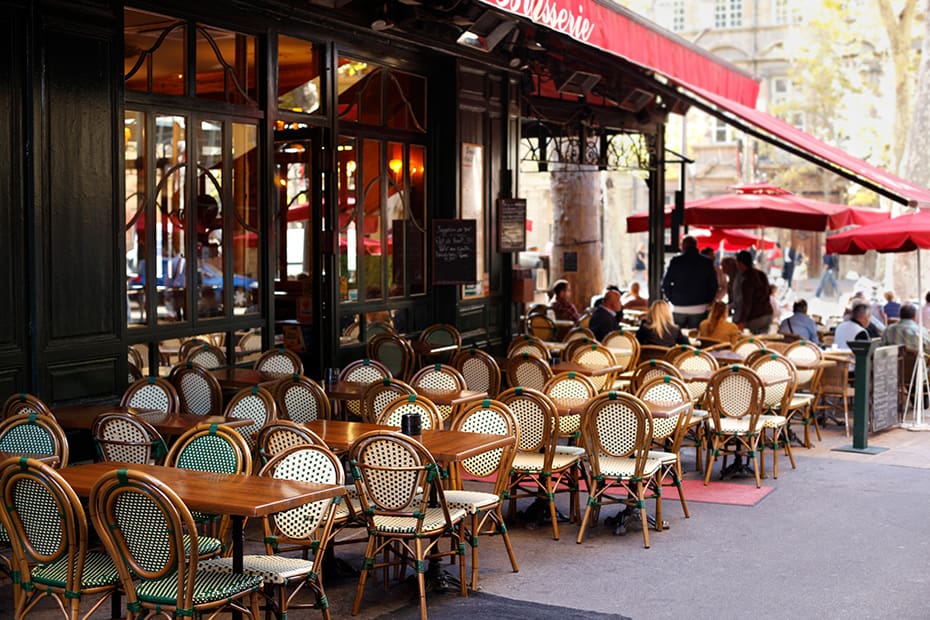
Low foot traffic is a multifaceted challenge that plagues many restaurants, impacting revenue, ambiance, and reputation. Whether it’s due to unfavorable location, stiff competition, inability to keep guest attention, or ineffective marketing efforts, the consequences are tangible and often hard felt. Before delving into a few solutions, it’s critical to identify the underlying factors contributing to low foot traffic. Based on surveys of several restaurants, the top three reasons that have contributed to low foot traffic are location, competition, and marketing efforts.
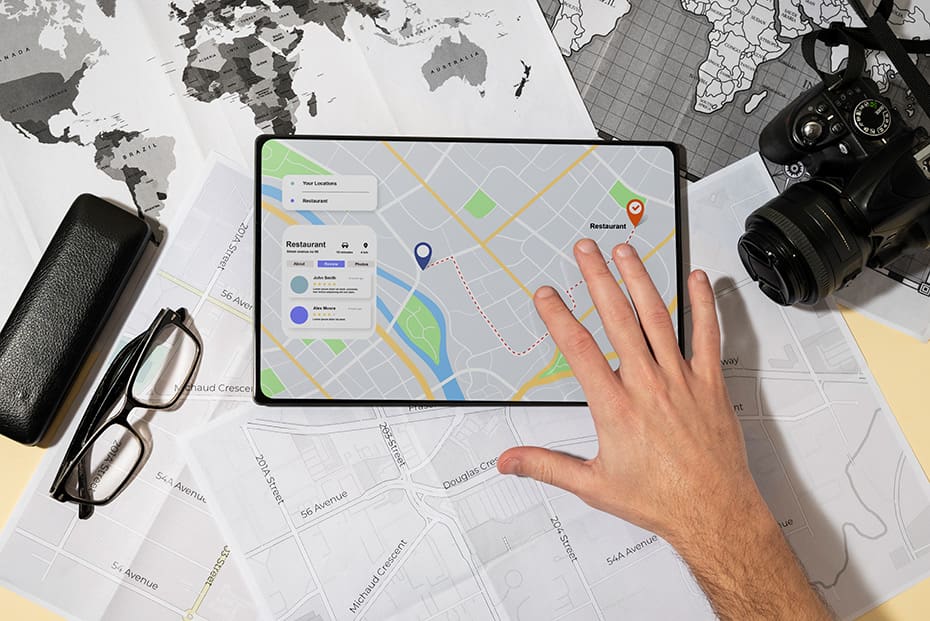
- Location – Is the restaurant situated in a high-traffic area, or is it tucked away from main thoroughfares? Accessibility, parking availability, and surrounding businesses can significantly influence foot traffic.
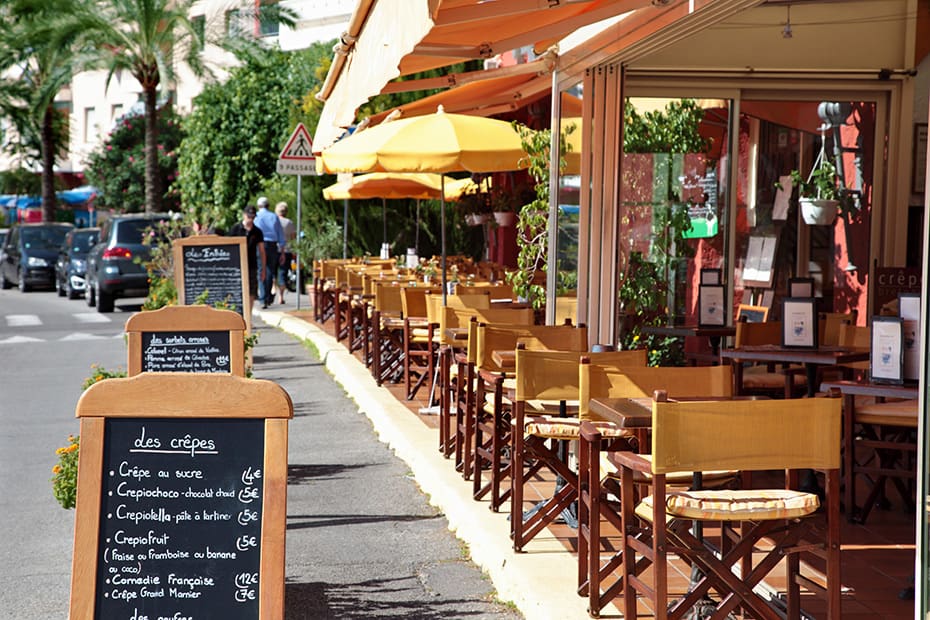
- Competition – Is the market saturated with similar dining options? Understanding the competitive landscape and identifying unique selling points can help differentiate the restaurant and attract discerning customers.
- Marketing Efforts – Are the restaurant’s marketing strategies aligned with the preferences and behaviors of the target audience? Ineffective advertising limited online visibility, and lackluster promotional efforts can hinder customer acquisition and retention.

THE SOLUTION? IMPLEMENT TARGETED MARKETING CAMPAIGNS
To address the challenge of low foot traffic, restaurants can adopt targeted marketing campaigns tailored to their local audience. The goal is to STANDOUT! Here’s a detailed breakdown of actionable strategies:
Know Your Audience:
- Conduct comprehensive market research to gain insights into the demographics, preferences, and dining habits of the target customer base.
- Utilize tools such as customer surveys, social media analytics, and loyalty program data to gather valuable feedback and refine targeting strategies.
Harness the Power of Social Media:

- Establish a strong presence on popular social media platforms such as Facebook, Instagram, and Twitter.
- Share visually appealing content showcasing the restaurant’s ambiance, menu offerings, special promotions, and behind-the-scenes glimpses.
- Engage with followers by responding to comments, hosting interactive polls, and sharing user-generated content to foster a sense of community and loyalty.
Forge Partnerships with Local Influencers:

- Identify influential individuals within the local community, such as food bloggers, social media influencers, and community leaders.
- Collaborate with influencers to organize exclusive tasting events, menu previews, or themed dining experiences aimed at generating buzz and attracting new patrons.
- Leverage the influencer’s reach and credibility to amplify the restaurant’s brand visibility and attract a broader audience.
Host Engaging Events and Promotions:
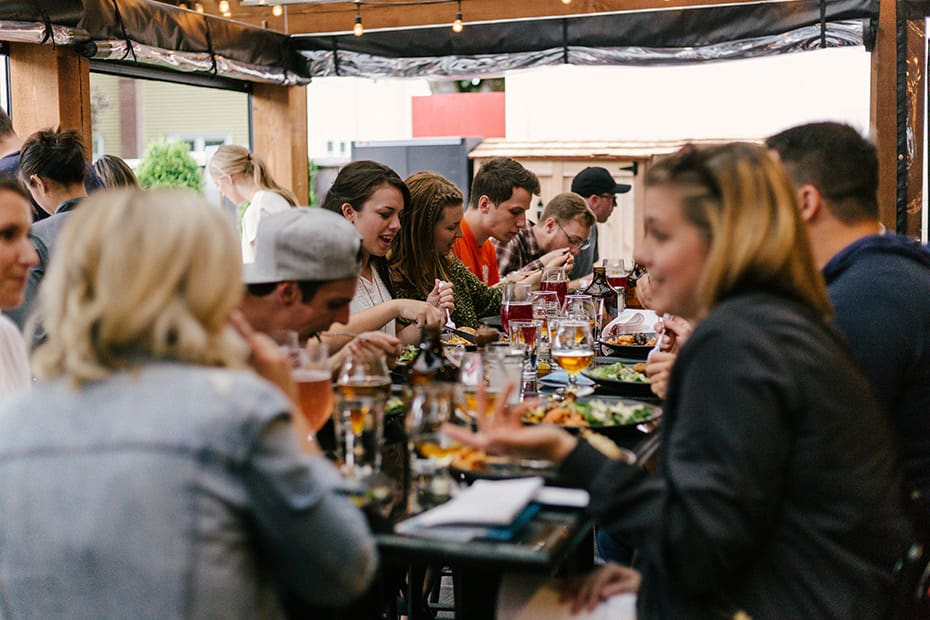
- Create a calendar of exciting events, promotions, and themed nights to entice customers and drive foot traffic.
Examples include:
-
- Weekly specials such as “Taco Tuesdays,” “Wine Wednesdays,” or “Sunday Brunch Buffets” to encourage repeat visits.
- Live music performances, trivia nights, or cooking demonstrations to enhance the dining experience and create a vibrant atmosphere.
- Collaborative events with local artisans, breweries, or wineries to showcase regional flavors and foster community connections.
Example Implementation: Let’s illustrate how a fictional independent restaurant, “Savor & Spice Bistro,” can tackle the challenge of low foot traffic:
- Market Research: Savor & Spice Bistro starts the process by conducting in-depth market research to identify its target audience: it determines based on location, type of restaurant and menu offering/price point that its audience is affluent urban professionals and food enthusiasts seeking elevated dining experiences.
- Social Media Strategy: The restaurant then revamps its social media profiles, showcasing stunning food photography, chef highlights, curated or seasonal limited menu items, and customer testimonials. They leverage Instagram’s visual appeal and increase in video consumption to showcase their artisanal cocktails, farm-to-table dishes, and seasonal menu offerings.
- Influencer Collaboration: Savor & Spice Bistro then partners with local lifestyle bloggers and culinary influencers to host a “Chef’s Table Experience.” Influencers are invited for an exclusive tasting menu featuring signature dishes paired with curated wine selections. They document their culinary journey on social media, within a very specific timeframe creating momentum, and thereby generating buzz and attracting followers eager to experience the restaurant firsthand.
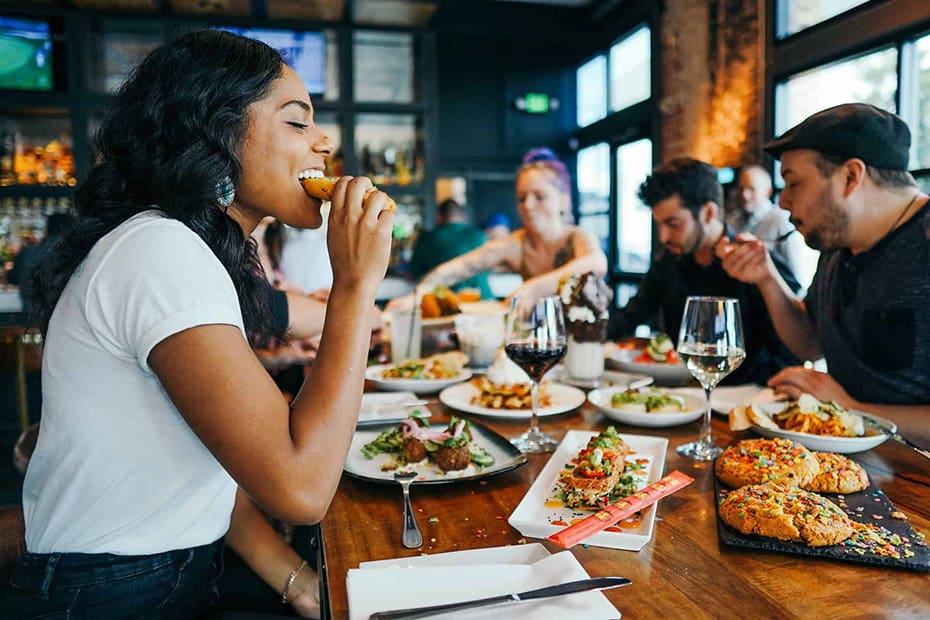
- Event Planning: Savor & Spice Bistro introduces monthly “Wine & Dine” evenings featuring a rotating selection of regional wines paired with chef-inspired tasting menus. They also host interactive cooking classes led by the executive chef, providing guests with hands-on culinary experiences and insider tips.
- Ongoing Awareness: Savor & Spice determines that they can use their restaurant database of guests to keep their offerings, curated events, and menu changes “top of mind”. They do this by leveraging email marketing with high quality content, behind the scenes footage, and easy to access links to reservations, online ordering, and special events.

Low foot traffic is a multifaceted challenge that plagues many restaurants, impacting revenue, ambiance, and reputation. Whether it’s due to unfavorable location, stiff competition, inability to keep guest attention, or ineffective marketing efforts, the consequences are tangible and often hard felt. Before delving into a few solutions, it’s critical to identify the underlying factors contributing to low foot traffic. Based on surveys of several restaurants, the top three reasons that have contributed to low foot traffic are location, competition, and marketing efforts.