The restaurant industry in 2024 was nothing short of transformative. While the core mission of delivering great food and exceptional service remained unchanged, the methods and tools used to achieve this evolved rapidly. Technology is no longer just a supporting player—it has taken center stage, reshaping how restaurants operate, connect with diners, and grow. From reimagined guest experiences to operational efficiencies powered by AI, this year brought innovations that pushed the industry forward.
This report dives into the trends that shaped 2024, with insights into small menu shifts, the latest tech advancements, smarter operations, modern web design essentials, and bold predictions for what’s next. Let’s explore the stories that defined the year and set the stage for 2025.
Taste Trends

In 2024, small innovations and tweaks packed a big punch in the restaurant world. Shareable plates, seasonal specials, and bold culinary creativity didn’t just delight diners—they became powerful tools for driving engagement, both in-house and online. These smaller, thoughtfully crafted offerings encouraged social sharing, boosted foot traffic, and even led to higher check averages as diners indulged in more variety.
Restaurants found that dishes designed to be “Instagrammable”—with vibrant colors, unique presentations, and shareable portions—led to a 22% boost in foot traffic, as diners sought experiences worth sharing with their followers. Seasonal menus brought in an additional 17% increase in guest visits, proving that fresh ideas (and ingredients) keep guests coming back. Additionally, offering small plates led to higher ticket sizes, with many restaurants reporting an average check size increase of 15% as diners tried multiple dishes. These innovations not only pleased consumers but also proved that sometimes, less is more—especially when it comes to keeping customers engaged and excited. Let’s explore how these trends took center stage and helped restaurants grow.
Instagram Worthy = Profitable
Restaurants with highly Instagrammable interiors and dishes saw a 22% boost in foot traffic as diners sought out photogenic experiences.
Influencer Marketing Wins Big
Campaigns with local food influencers generated an average ROI of 8x, with restaurants reporting a 30% increase in reservations within a week of posting.
Short-Form Video is King
Restaurants that actively posted on TikTok and Instagram Reels saw a 24% increase in engagement, with viral videos driving foot traffic spikes of 35% or more.
The Hashtag Effect
Posts with branded hashtags like #BestBrunchBoston drove 12% more impressions, and 9% higher conversions compared to generic hashtags.
Happy Hour = Happy Profits
Restaurants promoting happy hour on social media platforms like Instagram Stories saw 15% higher foot traffic during traditionally slow weekdays.
Pop-Up Events Pull Crowds
Hosting themed pop-up events or chef collaborations brought in 28% more foot traffic compared to standard weekend promotions.
Seasonal Menus Draw Crowds
Restaurants that launched seasonal menu items saw foot traffic grow by 17%, with special menu announcements driving the highest response rates.
Weekend Brunch Wins Big
Restaurants emphasizing weekend brunch promotions reported a 25% increase in revenue, making brunch one of the most lucrative dining segments of 2024.
Geo-Targeted Ads Deliver
Restaurants using geo-targeted ads on Google and Facebook reported a 20% increase in walk-ins, especially in urban areas.
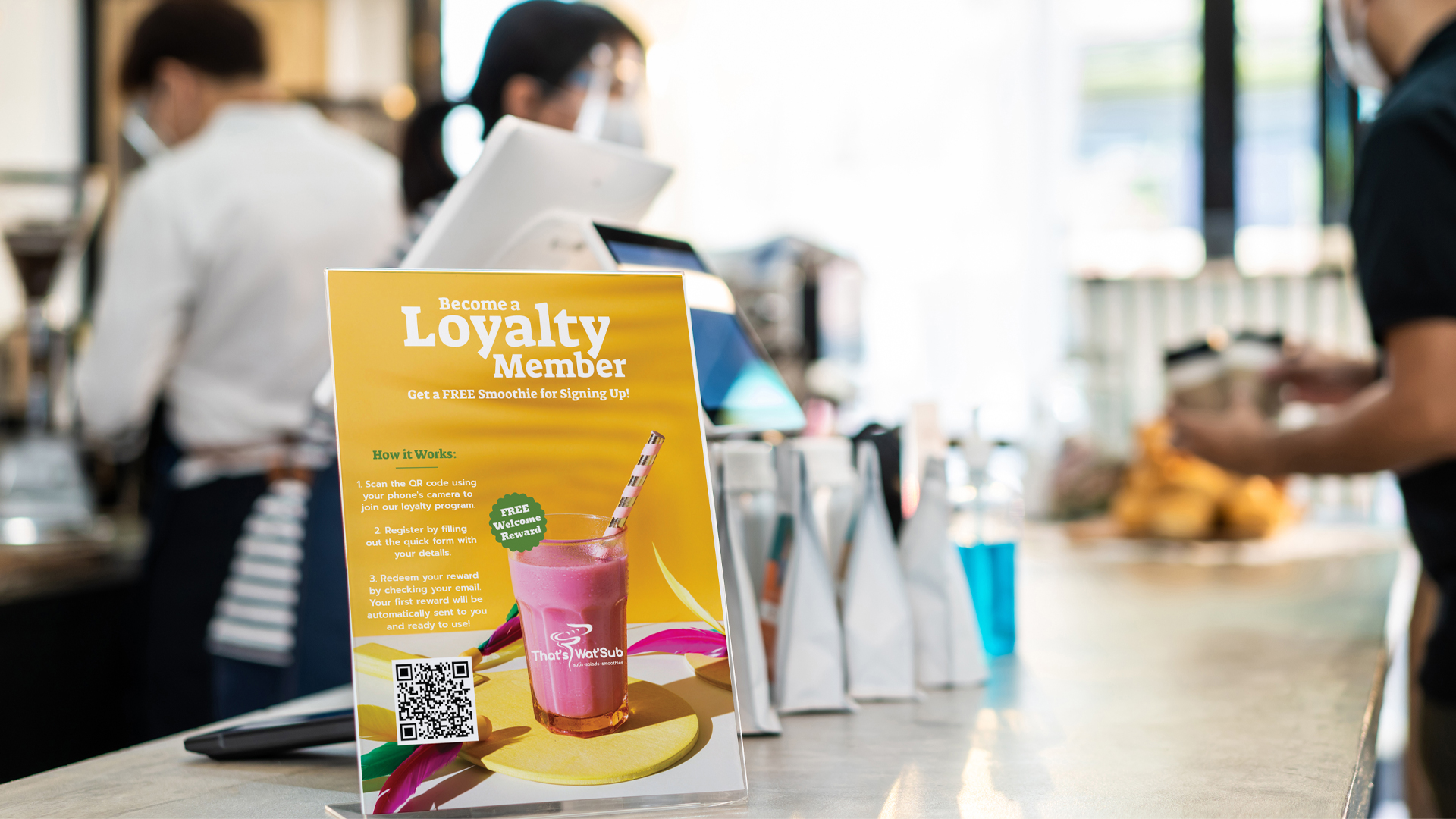
Loyalty Programs Pay Off
Restaurants with digital loyalty programs saw an 18% increase in repeat visits and a 22% lift in revenue per customer.
Optimized Online Ordering
Restaurants with streamlined online ordering systems reported a 30% increase in revenue, especially for takeout and delivery.
Premium Add-Ons Boost Sales
Upselling premium options like truffle fries or specialty cocktails drove 12% higher ticket sizes on average.
Small Plates, Big Profits
Restaurants that introduced small, shareable plates saw an average of 15% higher check sizes as diners were more likely to order multiple dishes.
AI-Driven Menus
35% of restaurants nationwide used AI to optimize their menus in real time,
helping them identify and feature high-margin items based on sales data and customer feedback.
Contactless Payment Revolution
62% of diners said they prefer restaurants offering contactless payment, with digital wallet usage increasing by 40% compared to 2023.
Web Design That Sells
Restaurants with mobile-optimized websites and integrated online ordering saw an 18% boost in online sales, while those without mobile-friendly sites lost an average of 12% of potential revenue.
TECH ON THE TABLE
Technology is a must! Tech applications including AI, automation, and payment systems, reshaped the restaurant experience.
In 2024, the restaurant industry experienced significant technological advancements that reshaped operations and customer interactions. These technological trends collectively propelled the restaurant industry towards greater efficiency and improved customer experiences in 2024. Here are three technology trends that defined the year:
The National Restaurant Association found that 76% of operators believe technology provides a competitive edge, with contactless payments being a key component.
National Restaurant Association
1. Contactless and Digital Payments
The adoption of contactless payment methods surged, with diners increasingly favoring options like digital wallets and touchless transactions. This shift not only enhanced payment efficiency but also elevated the overall dining experience. A report by EHL Insights highlighted the growing popularity of contactless payments, emphasizing their role in modernizing restaurant transactions.
The National Restaurant Association found that 76% of operators believe technology provides a competitive edge, with contactless payments being a key component.
National Restaurant Association
2. Digital Ordering Kiosks
Self-service kiosks became more prevalent, offering customers control over their orders and reducing wait times. These systems also provided opportunities for upselling through suggestive prompts.
Fast-food chains like Burger King and Shake Shack expanded the use of digital order kiosks, noting increased customer spending and operational efficiency. Shake Shack reported that kiosks accounted for over half of in-restaurant orders, demonstrating high customer adoption.
3. Third-Party Delivery Integration
The integration of third-party delivery platforms became essential for restaurants aiming to expand their reach and cater to the growing demand for off-premise dining. Third-party aggregator food delivery solutions such as DoorDash, UberEats, and GrubHub remained essential tools for restaurants that could not offer in-house food ordering and delivery services. The global online food delivery market is estimated to be $130.2 billion and is expected to grow to $223.7 billion by 2027.
Service Secrets
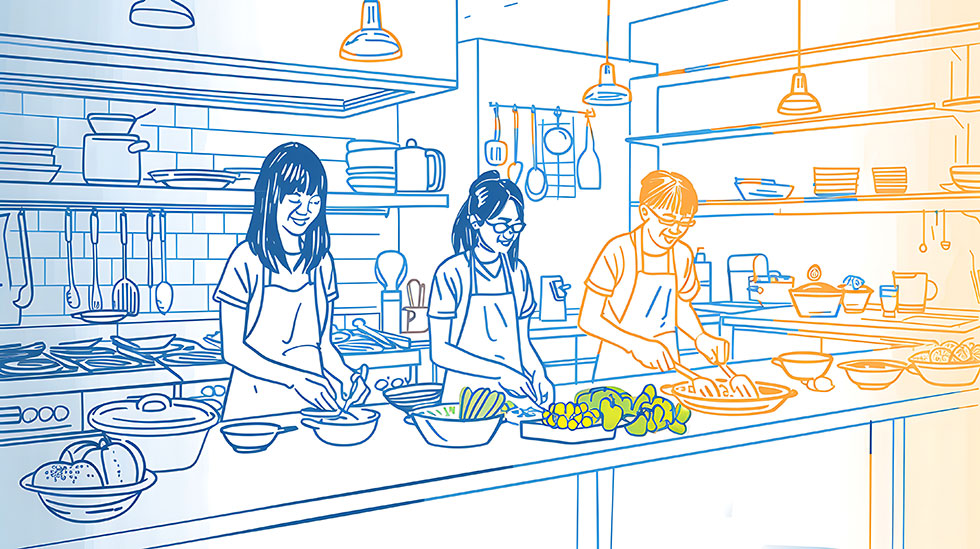
In 2024, restaurants faced significant operational challenges that tested their resilience and adaptability. From labor shortages to rising costs and supply chain disruptions, the industry had to innovate to maintain service quality and profitability. By embracing new strategies and technologies, restaurants not only tackled these issues but also set the stage for long-term success. Here’s a look at the top challenges and how savvy operators rose to meet them.
1. Labor Shortages
Labor shortages remained one of the biggest hurdles for restaurants in 2024, as the industry struggled to recruit and retain skilled employees. This shortage led to increased labor costs and operational inefficiencies, making it critical for operators to find creative solutions. One effective strategy was cross-training employees, enabling staff to handle multiple roles and increasing flexibility during peak hours.
Additionally, nearly 47% of restaurant operators turned to technology to alleviate labor challenges, integrating tools such as self-ordering kiosks, automated kitchen equipment, and scheduling software to improve efficiency.
The demand for qualified staff was evident, with 88% of operators indicating a willingness to hire if applicants were available. These measures not only helped mitigate the impact of labor shortages but also allowed restaurants to maintain high levels of service.
2. Rising Operational Costs
Inflation drove up costs across the board in 2024, with food, labor, energy, and rent expenses putting significant pressure on profit margins. Labor costs alone climbed to consume 40–45% of gross sales, compared to the pre-pandemic norm of 30–35%. To tackle these challenges, many restaurants adopted menu engineering techniques, focusing on high-margin items and incorporating seasonal ingredients to manage expenses effectively.
Energy efficiency became another critical area of focus. We saw many restaurants invest in energy-efficient appliances and implemented utility optimization practices, such as scheduling equipment use during off-peak hours. These proactive steps allowed operators to control overhead costs while maintaining profitability, even in a challenging economic environment.
3. Supply Chain Disruptions
Global supply chain issues created significant delays and shortages for restaurants in 2024, impacting menu availability and consistency. Operators faced disruptions in sourcing key ingredients, which required quick and innovative solutions. Many restaurants diversified their supplier networks to reduce dependency on single vendors, ensuring more consistent product availability. Local sourcing also emerged as a popular strategy, with operators partnering with nearby producers to shorten supply chains and stabilize supply flows.
The National Restaurant Association reported that 96% of operators experienced delays or shortages in key food or beverage items during the year. By focusing on resilience through diversified suppliers and local partnerships, restaurants were able to maintain their offerings and minimize customer impact.
Clicks to Cravings

In 2024, restaurant websites evolved to meet changing consumer behaviors and technological advancements. Operators faced challenges in enhancing user experience, integrating online ordering, and optimizing for mobile devices. Here are the top three website trends, the challenges they presented, and the strategies restaurants employed to address them:
1. Mobile Optimization
With approximately 63% of web traffic coming from mobile devices, restaurants needed to ensure their websites were mobile-friendly to capture potential customers. A lack of mobile optimization could lead to poor user experiences and lower search engine rankings.
Restaurants adopted responsive web design to ensure seamless functionality across devices. This approach improved user engagement and search visibility, aligning with Google’s mobile-first indexing. 79% of smartphone users made purchases via their mobile devices in the past six months, highlighting the importance of mobile optimization.
2. Online Ordering Integration
The rise of digital ordering necessitated seamless online ordering systems on restaurant websites. Challenges included integrating these systems with existing operations and ensuring user-friendly interfaces. Restaurants implemented intuitive online ordering platforms, often integrating with POS systems to streamline operations. Some developed proprietary systems to maintain control over customer data and reduce reliance on third-party platforms.
Guests ordering directly from a restaurant’s platform ordered 35% more items per check compared to third-party marketplaces.
3. Driving Sales Through Website Design
Transforming website visits into sales required strategic design elements that guided customers from browsing to ordering. Challenges included creating compelling calls-to-action and showcasing menu items effectively.
Restaurants utilized high-quality visuals, clear navigation, and prominent ordering buttons to encourage conversions. Implementing features like digital menus with detailed descriptions and images helped entice customers. Digital ordering and delivery have grown 300% faster than dine-in traffic since 2014, underscoring the importance of effective online sales strategies.
By addressing these challenges, restaurants enhanced their online presence, improved customer satisfaction, and increased revenue in 2024.
What's Next

As we gaze into the crystal ball of 2025, the restaurant industry is brimming with opportunity, innovation, and transformation. This is the year to go bold, think differently, and redefine what’s possible in dining. From social media mastery to sustainability at the forefront, these are the trends poised to make waves—and profits—in 2025.
1. Social Media Becomes Your New Host
Forget the maître d’. In 2025, social media is the first impression your restaurant makes. Platforms like TikTok and Instagram are becoming as essential to your restaurant’s identity as your menu. Expect short-form videos, behind-the-scenes content, and influencer collaborations to dominate. Restaurants that lean into authentic storytelling and interactive content will win big, with user-generated content (UGC) playing a major role in building community and loyalty. Videos under 60 seconds see 54% higher engagement rates than static posts, and restaurants that use UGC report a 22% increase in engagement.
2. The Off-Premise Revolution Grows
Dining rooms may still be bustling, but the off-premise game is only growing stronger. In 2025, restaurants will double down on takeout and delivery experiences, investing in proprietary apps and delivery fleet management. Convenience is king, and seamless online ordering paired with lightning-fast delivery will be key to success. By 2025, the off-premise dining market is projected to reach $250 billion, with delivery sales growing by 20% annually.
3. Sustainability Goes Mainstream
In 2025, it’s not just about what’s on the plate—it’s about where it comes from. Consumers want to know that their dining dollars support sustainable practices. Restaurants will focus on eco-friendly packaging, reducing food waste, and sourcing ingredients locally. 72% of diners say they’re more likely to support a restaurant with visible sustainability practices, and eco-friendly packaging alone has increased by 35% in usage since 2023.
4. Data Becomes the Secret Ingredient
In 2025, your POS system isn’t just taking orders—it’s becoming your crystal ball. Restaurants will rely on data more than ever to predict customer behavior, personalize marketing, and streamline operations. From loyalty programs tracking customer preferences to AI analyzing foot traffic patterns, smart data usage will separate the winners from the rest. Restaurants using data analytics for personalized marketing see an average revenue boost of 15%.
5. Hyper-Local Menus Make a Comeback
As diners crave authenticity, hyper-local menus will rise in 2025. Restaurants will tap into local flavors, partner with neighborhood farmers, and create dishes inspired by their community’s history and culture. This not only enhances the dining experience but also builds strong local support. Restaurants featuring locally sourced ingredients see a 16% higher ticket average, as diners are willing to pay more for freshness and community support.
What are Your Thoughts?
The data and insights in this article were sourced from a range of trusted industry reports and publications. Key sources include the National Restaurant Association, which provided valuable information on trends and challenges in the restaurant industry, and 7shifts Restaurant Data Reports, offering insights into mobile optimization and marketing strategies. Additional insights were drawn from EHL Hospitality Insights, which highlighted advancements in technology, and Emerging Industry Insights, detailing labor and operational challenges. Trends in sustainability and consumer preferences were informed by Bloom Intelligence and Roland Foods Industry Trends, while Lightspeed HQ and Retail Insider provided insights on online ordering and consumer behavior. Finally, Google Trends Report offered critical perspectives on off-premise dining and operational shifts. For further details, you can contact Restaurant Brand Builders.