10 Essential Customer Experience Principles for Crafting an Effective Restaurant Website

A restaurant’s website is the first touchpoint for many of your customers, making it a critical component of your brand’s success. In an industry where competition is fierce and attention spans are short, having a website that not only looks appealing but also functions seamlessly is essential. This article is crafted specifically for restaurant owners and operators who are looking to elevate their online presence, attract more customers, and ultimately drive more revenue.

Why is this important? Because your website is more than just a digital menu or a place to list your hours—it’s the gateway to your brand’s story and the foundation of your customer’s experience. A well-designed website can transform casual visitors into loyal customers by delivering an engaging and intuitive user experience.

We break down the 10 essential customer experience principles that every restaurant website should embody. Whether you’re in the process of launching a new site or optimizing an existing one, these principles are crucial for ensuring that your online presence not only meets but exceeds customer expectations. This article gives you practical insights into how to create a website that resonates with your target audience, enhances their dining journey, and sets your restaurant apart in a crowded marketplace.

1. A Memorable First Impression

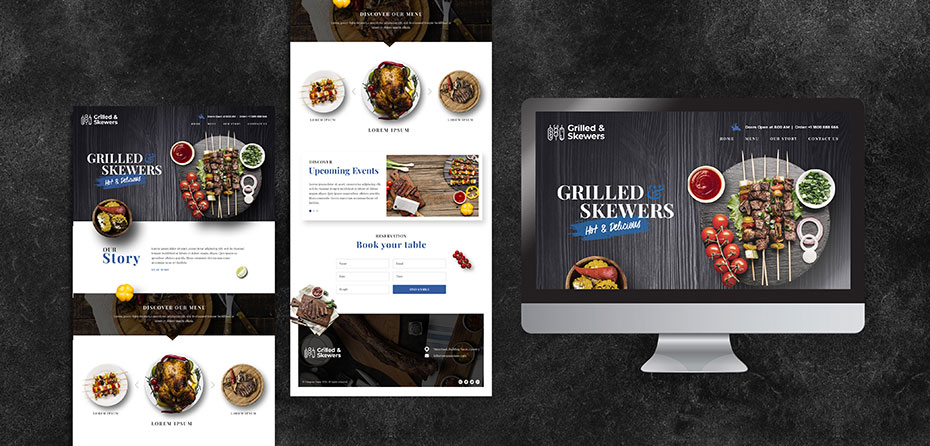
Your homepage is the first taste customers get of your restaurant’s online presence, and it needs to be memorable. High-quality images of your best dishes should take center stage, instantly capturing the viewer’s attention. The layout should be clean, easy to navigate, and designed with the user in mind. The goal is to create a welcoming and intuitive experience that invites visitors to explore further. Balancing visual appeal with functionality is key; too much clutter can overwhelm, while too little can leave visitors underwhelmed. The right first impression will encourage potential diners to delve deeper into your menu and consider making a reservation.

2. Mobile-Friendly Menus Matter

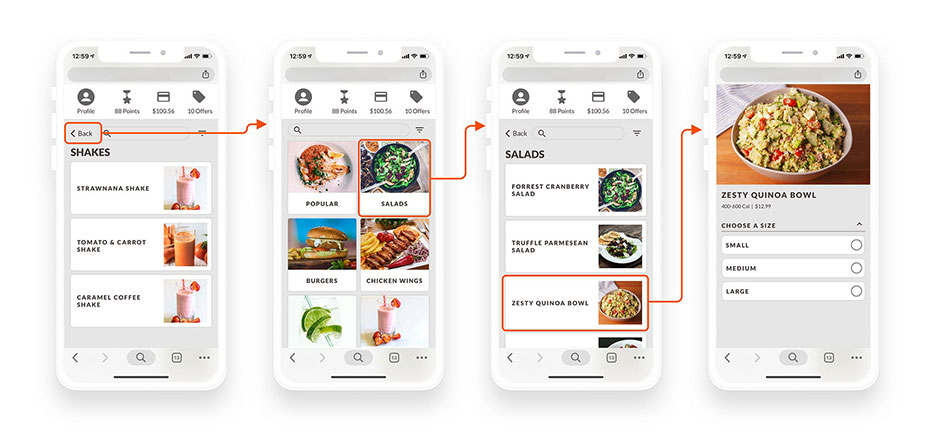
In today’s mobile-driven world, your customers expect to view your menu seamlessly on their phones. Ensuring that your website is fully responsive across all devices is no longer optional; it’s essential. Your menu should be easy to read, with no need for excessive zooming or horizontal scrolling, which can frustrate potential customers. Use clear, legible fonts and consider breaking down the menu into sections that are easy to navigate on smaller screens. A well-optimized mobile menu enhances the user experience, making it more likely that on-the-go customers will choose your restaurant when deciding where to eat.

3. Simple Reservations, Happy Customers
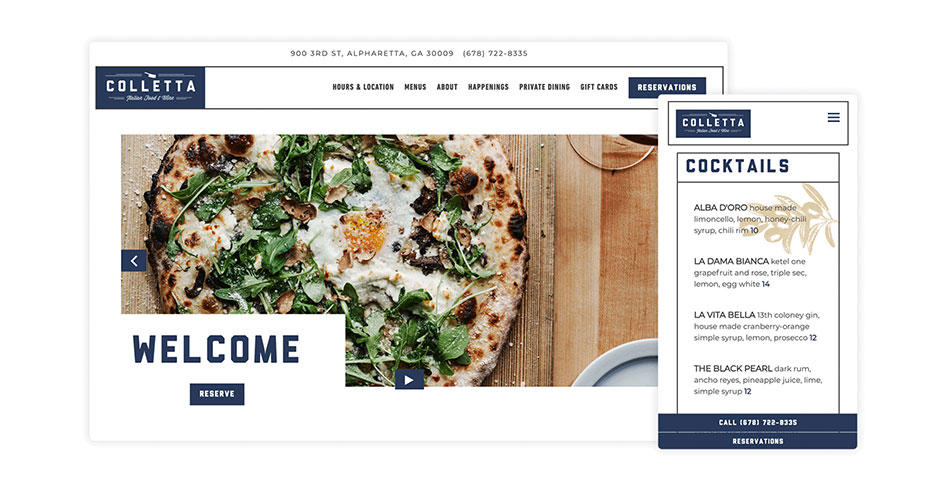
Making a reservation on your website should be as straightforward as ordering an appetizer. A user-friendly reservation system, accessible from every page of your site, can make all the difference. The booking process should be simple and intuitive, requiring minimal effort from the user. A clear call-to-action button for reservations should be prominently displayed, guiding customers to book a table without second thoughts. By integrating a seamless reservation system, you remove barriers that might otherwise prevent a potential diner from committing to a visit.

4. Content That Engages and Informs

Your website’s content should be like a well-seasoned dish—flavorful but not overwhelming. Break down information into easily digestible sections, using headings, subheadings, and bullet points to enhance readability. The tone should be engaging and reflective of your brand’s personality, inviting visitors to explore more. Provide concise yet informative descriptions of your dishes, services, and offerings, ensuring that all necessary details are covered without drowning the user in text. Well-organized content helps maintain the visitor’s interest, guiding them smoothly through your site.

5. Speed is Key

A slow website can quickly turn an interested diner into a lost opportunity. Your site needs to load quickly to keep visitors engaged. Optimize your website’s speed by compressing images and streamlining your code to reduce load times. Just as prompt service is crucial in a restaurant, a fast-loading site ensures that visitors aren’t left waiting and frustrated. The quicker your site, the smoother the user experience, leading to higher satisfaction and better chances of converting visits into reservations.

6. Clear and Intuitive Navigation

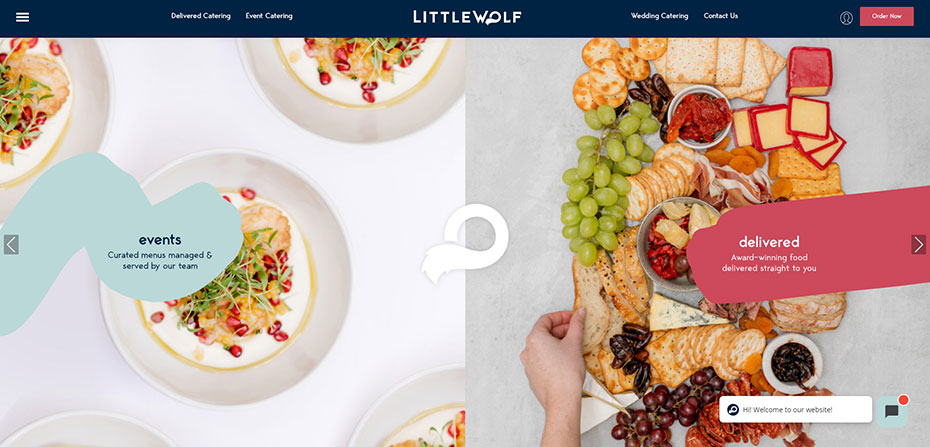
Navigation is the roadmap of your website, and it should be as clear as possible. Visitors should be able to find what they’re looking for—whether it’s the menu, location, or contact details—without unnecessary clicks or confusion. Think of your website’s structure like the layout of your restaurant; everything should flow logically from one section to the next. Simple, intuitive navigation enhances the user experience, making it easy for customers to explore your offerings and get the information they need to make a decision.

7. Consistent Branding for a Cohesive Experience
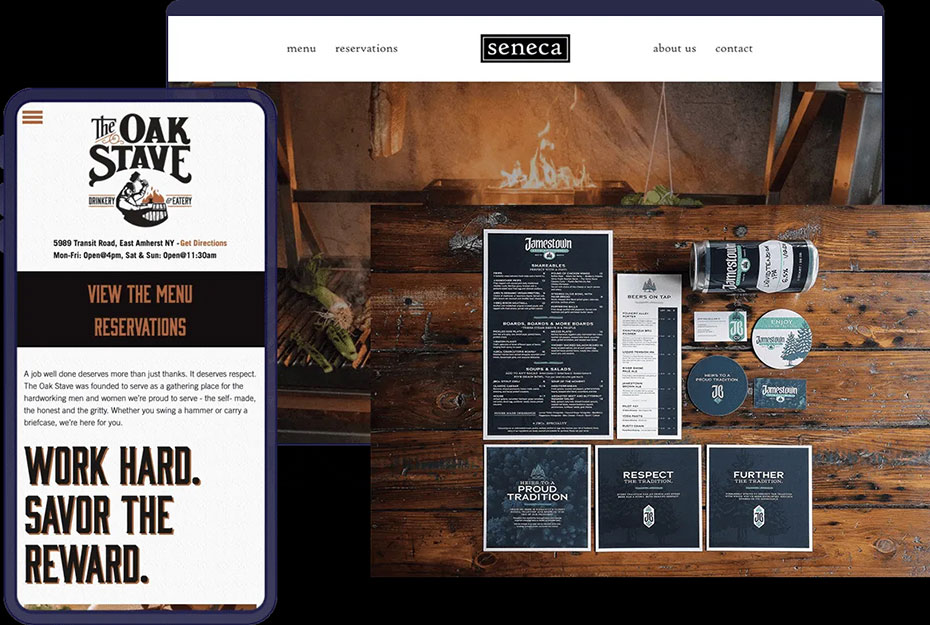
Your website should be a digital extension of your restaurant’s physical ambiance. Consistent branding across both platforms is crucial for creating a cohesive experience. Use the same color scheme, fonts, and design elements on your site as you do in your restaurant. This consistency reinforces your brand identity, making your online presence feel familiar to returning customers and aligning it with the in-person experience. A well-branded website not only looks professional but also builds trust and recognition with your audience.

8. Accessibility for All Customers

Ensuring your website is accessible to everyone is not just a legal requirement; it’s good business practice. Follow the Web Content Accessibility Guidelines (WCAG) to make your site usable for people with disabilities. This includes adding alt text for images, enabling keyboard navigation, and ensuring that your content is readable by screen readers. An accessible website opens your restaurant to a broader audience, demonstrating inclusivity and care for all potential customers. It’s about providing an excellent experience for every visitor, regardless of their needs.

9. Leverage Social Proof

Customer reviews and testimonials are powerful tools for building trust and encouraging new visitors. Your website should prominently feature positive feedback from satisfied customers, showcasing the quality of your food and service. Consider integrating a review system where diners can easily read and leave reviews directly on your site. Social proof acts as a compelling motivator for potential customers, giving them the confidence to choose your restaurant over others. By highlighting customer experiences, you create a sense of community and reliability that draws new patrons in.

10. Analytics for Continuous Improvement

Understanding how visitors interact with your website is essential for ongoing optimization. Implement web analytics tools to track user behavior, such as which pages they visit most, how long they stay, and where they drop off. This data provides valuable insights into what’s working and what needs improvement. By regularly reviewing and analyzing this information, you can make informed decisions that enhance the user experience and keep your website performing at its best. Continuous improvement ensures that your site remains a powerful tool in attracting and retaining customers.

Are you ready to put your restaurant on the map?

Share the Post:

Join our newsletter to stay updated

Related Posts